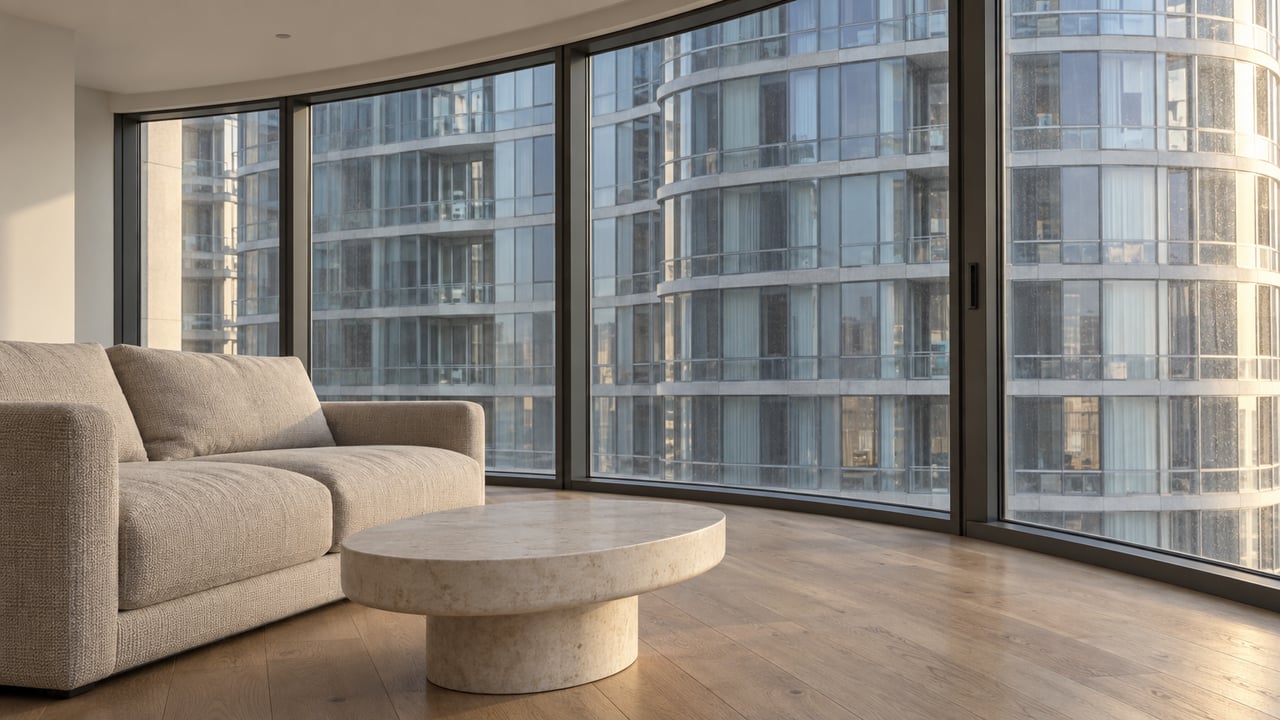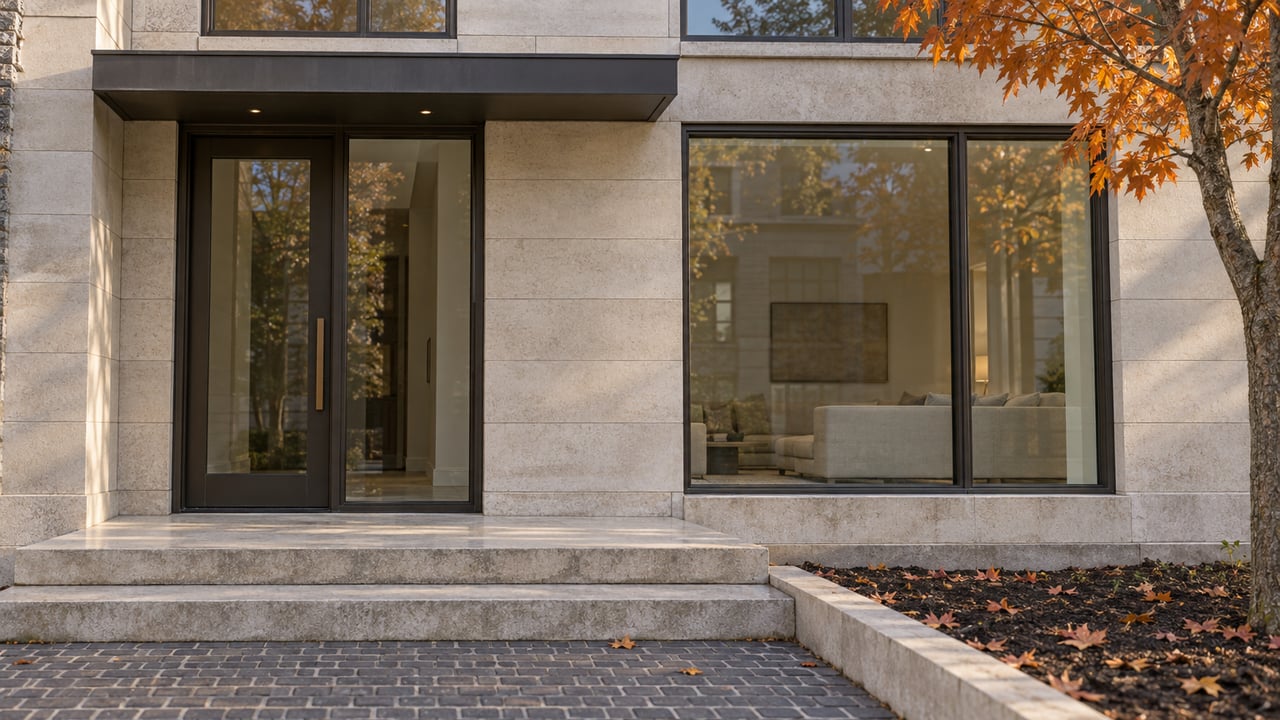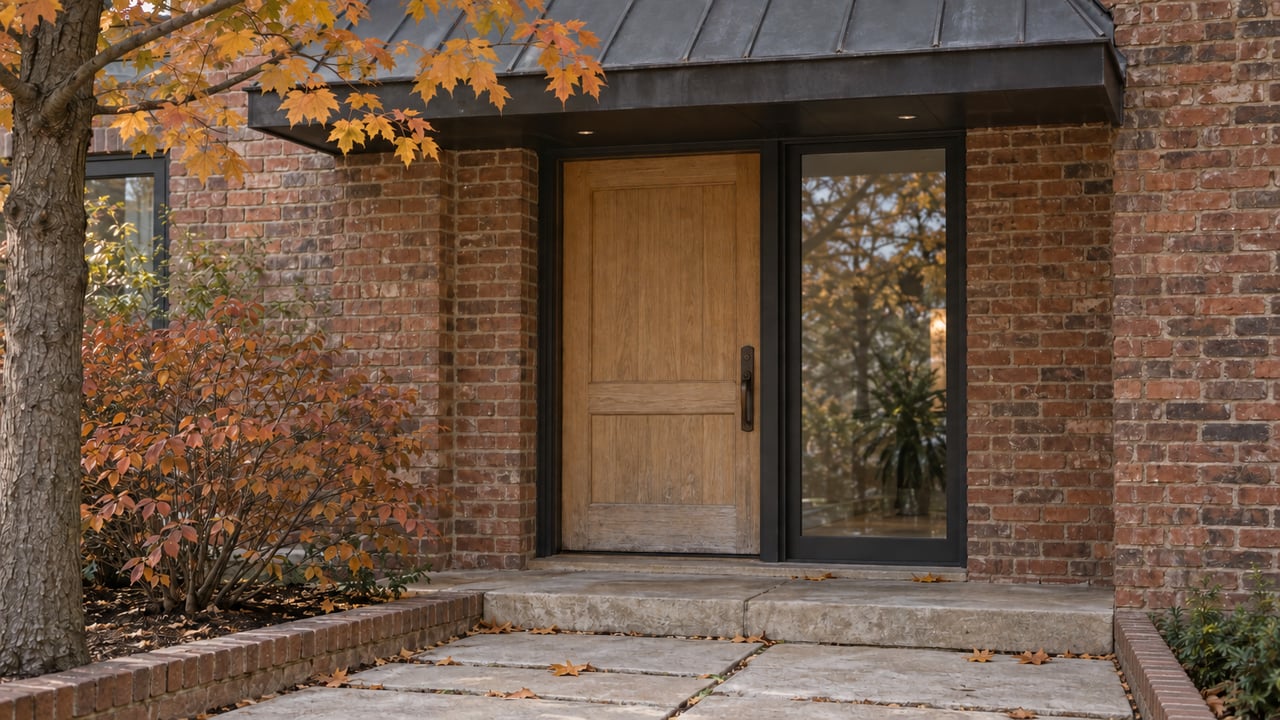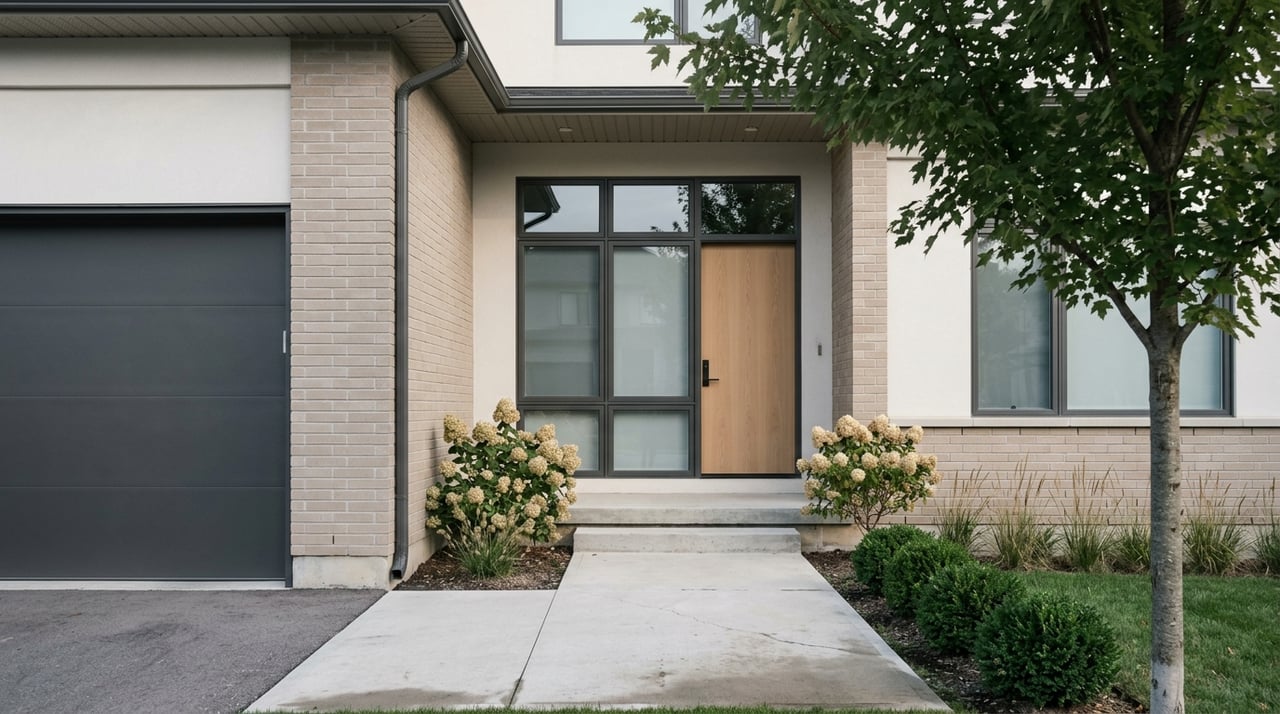
Thinking about life beyond your condo in Mississauga Valleys? You are not alone. Many condo owners reach a point where they want more space, a different layout, or a home that better fits their next chapter. The real question is not just whether you want to move up, but whether the numbers, timing, and monthly costs truly work for you. This guide will help you think through the move with clarity and confidence. Let’s dive in.
What “Move-Up Ready” Really Means
If you own a condo in Mississauga Valleys, it is easy to focus on one question: how much has your condo gone up in value? That matters, but it is only part of the picture. Being ready to move up usually comes down to whether you can sell, cover your transition costs, and still feel comfortable with the next home’s monthly payment.
That matters even more in a market where prices have shifted. In May 2026, the Toronto Regional Real Estate Board reported 6,583 GTA home sales, up 6.3% from the year before, while the average selling price across the GTA was $1,069,700, down 4.6% year over year. That points to an active market, but not one where you should assume every sale will stretch to an optimistic number.
For condo owners, that caution is especially important. TRREB’s Q1 2026 condo report showed average condo prices at $517,441 in Peel and $627,162 in Halton, both lower than Q1 2025. If you are planning your next purchase, a conservative estimate of your sale proceeds is a smart place to start.
Mississauga Price Ladder at a Glance
One of the best ways to judge your next step is to compare average prices across property types. In Mississauga, May 2026 average selling prices were $543,142 for a condo apartment, $706,239 for a condo townhouse, $931,437 for a semi-detached home, and $1,367,848 for a detached home.
That creates a clear move-up ladder. On average, moving from a Mississauga condo apartment to a townhouse adds about $163,097. Moving to a semi-detached home adds about $388,295, while moving to a detached home adds about $824,706.
Compare Mississauga and Oakville Options
If you are also considering Oakville, the price jump can change. In May 2026, Oakville average selling prices were $715,029 for a condo apartment, $809,927 for a condo townhouse, $1,097,450 for a semi-detached home, and $1,954,984 for a detached home.
That means the average step from an Oakville condo apartment to an Oakville townhouse was about $94,898. The jump to a semi-detached home was about $382,421, and the jump to a detached home was about $1,239,955. Oakville detached homes were also about $587,136 higher on average than detached homes in Mississauga.
For many move-up buyers, that creates a practical roadmap.
- Townhouse: often the smallest jump in price
- Semi-detached: a middle-ground option for more space
- Detached: the biggest financial stretch, especially in Oakville
How to Estimate Your Real Buying Power
Before you browse homes, start with your likely net proceeds. That means looking at what your condo may sell for and then subtracting the costs tied to your sale and purchase. A realistic estimate gives you a much better sense of your actual down payment and cash position.
Then look at financing. CMHC says getting pre-approved before house hunting is a valuable first step. It helps you understand what a lender may approve, but just as important, it helps you define a monthly payment range that feels sustainable for your household.
If your down payment will be under 20%, mortgage insurance is generally required. That can affect your borrowing costs, so it is worth factoring in early when you compare your options.
Don’t Overlook Closing Costs
A move-up purchase involves more than the price of the home. CMHC says buyers should usually budget about 1.5% to 4% of the purchase price for closing costs. That range can make a meaningful difference, especially as your purchase price rises.
One of the biggest costs in Ontario is land transfer tax. For buyers in Mississauga or Oakville, the main transfer tax is generally the provincial land transfer tax only. That is simpler than buying in Toronto, where a municipal land transfer tax also applies.
Here is what Ontario land transfer tax looks like at a few common price points:
- $1,000,000 purchase: about $16,475
- $1,500,000 purchase: about $26,475
- $2,000,000 purchase: about $36,475
When you combine land transfer tax with legal fees, adjustments, and other closing expenses, the cash needed on closing day can be larger than many buyers first expect. This is one reason why move-up readiness is really about the full transition cost, not just the headline price of your next home.
If You Buy Another Condo, Check the Status Certificate
Not every move-up buyer goes straight to a freehold home. You might decide that a condo townhouse or a larger resale condo offers the right balance of space, maintenance, and price.
If that is your plan, the status certificate is one of the most important documents to review. The Condominium Authority of Ontario says anyone can request one, the condo corporation can charge up to $100 including taxes, and it must be provided within 10 days.
This document can reveal reserve fund information, arrears, common expenses, and any special assessments. In plain terms, it helps you understand whether the building or condo corporation may have financial pressure that could affect your costs after closing.
Timing Matters on Both Sides
A move-up transaction often involves selling one property and buying another on a tight timeline. That makes planning especially important. Mississauga’s property tax information notes that ownership changes require updated tax account information, and the lawyer handles the tax adjustment after closing.
That may sound like a small detail, but it is part of what makes a coordinated plan valuable. When you are selling and buying at the same time, each moving part can affect your cash flow, timing, and stress level.
Which Next Step Fits You Best?
The right move-up choice depends on your goals, your comfort level, and your budget. For some buyers, a townhouse is the sweet spot because it offers more space without the biggest price jump. For others, a semi-detached home offers the right balance between monthly costs and lifestyle improvement.
A detached home may be the goal, but it often requires the largest equity stretch and the highest closing costs. If you are also comparing Mississauga with Oakville, the detached segment in Oakville sits at a notably higher price tier based on May 2026 averages.
A practical way to frame the decision is to ask yourself four questions:
- How much equity will likely be left after your condo sale?
- How much cash will you need for closing?
- What monthly payment feels realistic for you?
- Which home type gives you the best next step without overextending?
A Smarter Way to Plan Your Move-Up
Moving up from a Mississauga Valleys condo is rarely just about wanting more room. It is about making a clear, informed decision that supports your finances and your lifestyle.
Today’s market gives buyers choices, but it also rewards careful planning. If you estimate your sale conservatively, budget properly for closing costs, and compare home types with a clear eye, you can move forward with more confidence and fewer surprises.
If you are weighing your next move in Mississauga or Oakville, Nancy Hate can help you assess your condo’s value, map out your options, and build a move-up plan that fits your goals.
FAQs
How do I know if I am ready to move up from a Mississauga Valleys condo?
- You are typically ready when your likely sale proceeds, closing cash, and projected monthly payment all support the next purchase comfortably.
What are average home prices for move-up buyers in Mississauga?
- In May 2026, average selling prices in Mississauga were $543,142 for condo apartments, $706,239 for condo townhouses, $931,437 for semi-detached homes, and $1,367,848 for detached homes.
What closing costs should Mississauga move-up buyers plan for?
- Buyers should generally budget about 1.5% to 4% of the purchase price for closing costs, with Ontario land transfer tax being one of the biggest items.
Is buying in Oakville more expensive than moving up within Mississauga?
- Based on May 2026 averages, Oakville was generally more expensive, especially for detached homes, which averaged about $1,954,984 compared with $1,367,848 in Mississauga.
What is a status certificate for an Ontario resale condo?
- A status certificate is a document that can show reserve fund information, arrears, common expenses, and special assessments, helping you evaluate a resale condo or condo townhouse before you commit.