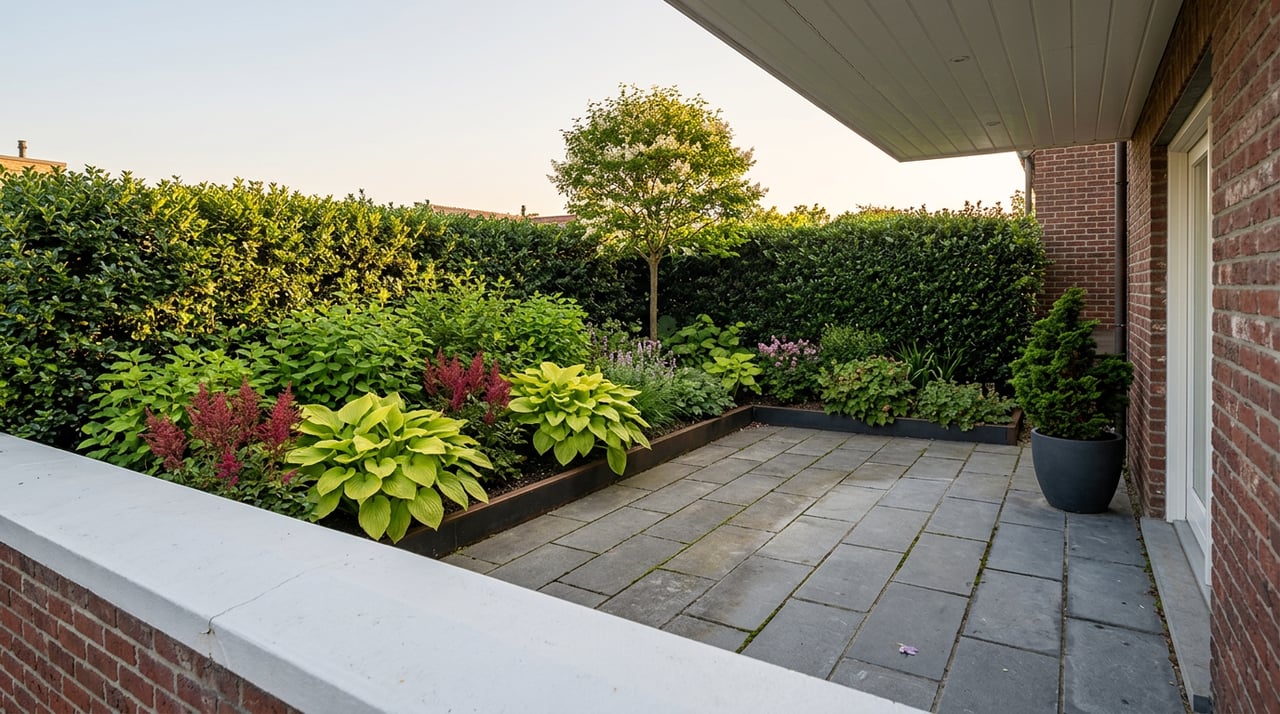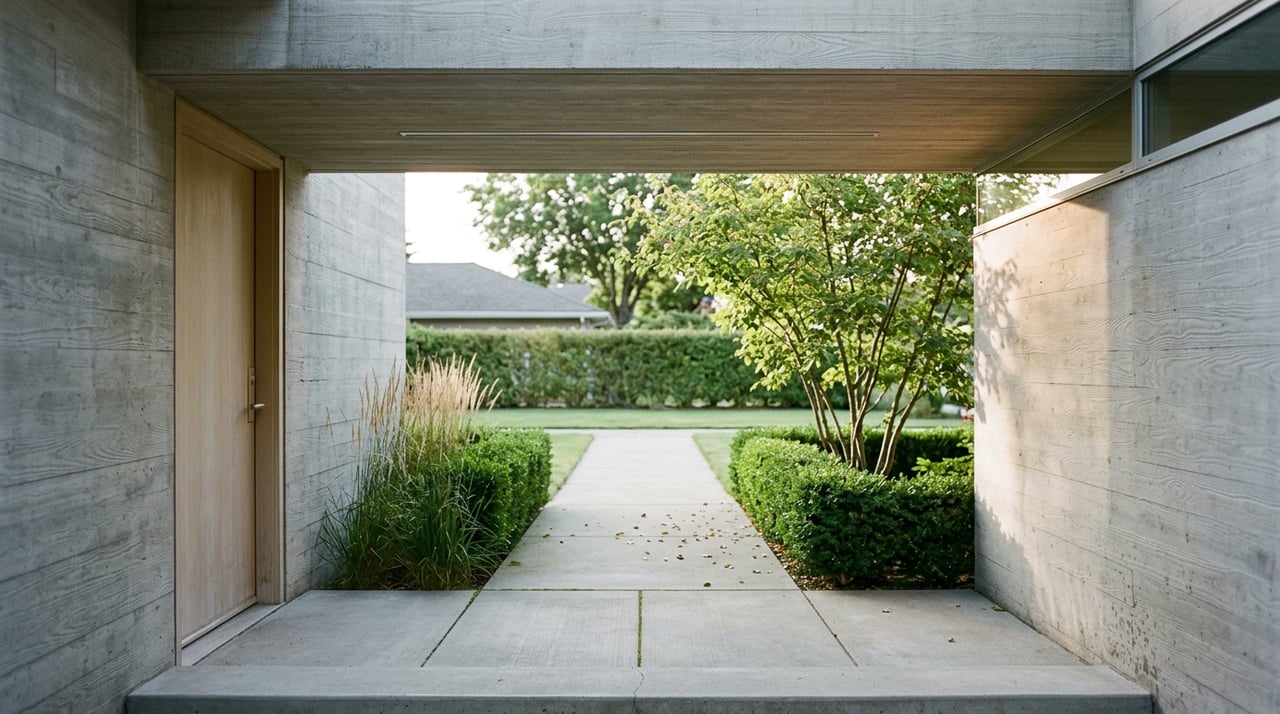
A brick bungalow on Enola Avenue lists for the same asking price as a fully renovated three-bedroom two blocks over. The listing remarks tell you everything: "Attention builders and investors." The house isn't really for sale. The lot is. Whoever wins that bidding war is not buying a home to live in. They're buying 50 feet of frontage and planning a demolition permit.
That's the friction nobody mentions when they talk about Lakeview's waterfront comeback. The neighbourhood just got the amenity it waited a decade for. The Jim Tovey Lakeview Conservation Area opened to the public on May 30, 2026, just over three months before this was written. And the resale numbers still haven't decided what any of it is worth, because "Lakeview" on a listing sheet can mean three entirely different transactions wearing the same neighbourhood name.
The park everyone waited for already happened
The Jim Tovey Lakeview Conservation Area is not a rendering anymore. It's 26 hectares, roughly 64 acres, of restored shoreline on Lake Ontario, built on the former Lakeview Village site where a coal-fired generating station once stood. The $59-million project took more than ten years to plan and build, and it slipped its original July 2025 target by nearly a year before Credit Valley Conservation finally cut the ribbon in late May.
What's there now includes more than 3.7 kilometres of trails, boardwalks, and lookout points, restored wetlands along Serson Creek, and a paved section of the Great Lakes Waterfront Trail. Ward 1 Councillor Stephen Dasko called it "an incredible collaborative initiative that will be 64 acres along Mississauga's shoreline," and for once the description undersells it. There's a promontory 14 metres above lake level with a 360-degree view across the surrounding greenspace and Lake Ontario.
One detail matters if you're actually planning to use it: for now, the trail is not a through-route. You enter and exit through Marie Curtis Park to the east. The western entrance, the one that runs through Lakeview Village itself, becomes the main access point only once that development's own residential blocks are built out. So the amenity is real and open today. The version of it that connects seamlessly to the neighbourhood's own front door is still a few years out.
What the resale numbers show three months later
Here's where the story gets interesting for anyone comparing Lakeview against Port Credit or Mineola on paper. As of early September 2026, Lakeview's average resale price sits around $1.24 million, with homes spending about 34 days on market on average. Among Mississauga's roughly two dozen tracked neighbourhoods, Lakeview currently ranks in the middle of the pack, not at the top, despite having just landed one of the largest waterfront amenity projects the city has completed in years.
That's worth sitting with. Some 2026 market commentary already treats Lakeview as a foregone appreciation story, pointing to the redevelopment timeline and tight competing inventory as reasons it should outperform. The current data doesn't yet back that up. A park opening doesn't reprice a neighbourhood by itself, and three months is not enough time for a shift like that to show up cleanly in sold data, especially when the neighbourhood's biggest long-term catalyst, Lakeview Village's actual residents, is still projected for early 2029 according to the city's own communications.
Owner-occupancy in Lakeview currently runs close to 75 percent, which tells you this is still a neighbourhood of people living in their homes rather than a churn of investor flips. That stability is real. It's just not the same thing as a waterfront premium showing up in the comps yet.
Why the same address can mean three different deals
This is the part a median price can't show you. Walk through Lakeview's actual housing stock and you're looking at three distinct products competing for attention under one neighbourhood name.
- Postwar bungalows on wide lots. Many of Lakeview's original homes sit on 50 to 75-foot frontages, the kind of lot size that made sense in the 1950s and now makes sense to a very different buyer. Builders active in south Mississauga treat teardown-and-rebuild as routine here, alongside Mineola, Lorne Park, and Gordon Woods, precisely because the existing structure carries little value next to what the land alone is worth once a custom build replaces it. A city development charge reduction currently extended through December 2027 gives builders an added reason to move now rather than wait.
- New custom infill homes. Once a builder has demolished and rebuilt, the finished product competes in an entirely different price bracket, on the same street, sometimes on the same lot that sold as a teardown eighteen months earlier. A typical custom build in this part of Mississauga runs 18 to 24 months from lot purchase to move-in.
- Lakeview Village pre-construction. New buildings inside the 177-acre master plan itself, condos and towns from builders including Greenpark and Branthaven, are priced and marketed as their own category entirely, with occupancy timelines measured in years rather than months.
A buyer scanning "average Lakeview price" against a comparable figure in Port Credit is quietly averaging a land sale, a finished custom home, and a pre-construction contract into one number. None of those three transactions behave the same way, sell to the same buyer, or respond to a park opening on the same timeline.
What this means if you're the one comparing neighbourhoods
If you're pricing a Lakeview listing against something in a neighbouring community, the first question isn't the average, it's which of the three products you're actually looking at. Listing remarks tend to tell you directly. Language aimed at "builders" or "investors," or a lot severance already approved, signals a land sale where the structure's condition barely matters to the eventual buyer. A recently renovated bungalow marketed to a family signals the opposite: you're competing on livability, not frontage.
If you're weighing pre-construction inside Lakeview Village itself, treat the conservation area's opening as proof of execution, not a pricing signal. The city delivered a decade-long infrastructure promise on, eventually, a real date. That's meaningful for confidence in the broader master plan. It says nothing about what a unit purchased today will be worth when the first residents actually move in, which city communications still place around early 2029.
And if you're simply looking for a place to live near the water today, the lifestyle case for Lakeview doesn't need Lakeview Village to finish anything. The Port Credit Yacht Club and Lakefront Promenade Marina and Park are already there. So is the Long Branch Aerodrome site, once Canada's first commercial air training airport, now part of the neighbourhood's texture rather than its pitch. None of that waited on a master plan.
A few questions before you make an offer
Is the Jim Tovey Lakeview Conservation Area actually open right now? Yes. It opened to the public on May 30, 2026, and is accessible daily from sunrise to sunset, entering and exiting through Marie Curtis Park.
When will Lakeview Village have its own residents? The city's current communications point to early 2029 for the first residential occupancy, with the broader build-out unfolding over roughly fifteen to twenty years.
Does buying a Lakeview bungalow mean I'm bidding against a builder? Not automatically, but on a wide lot in good standing for severance, it's common enough that you should assume it until a listing tells you otherwise.
Lakeview is a neighbourhood in the middle of an unusually long transition, one where the infrastructure has started arriving faster than the pricing has adjusted to reflect it. That gap is exactly where a careful reading of the comps, rather than the headline average, tells you what you're actually paying for.
If you're weighing a resale purchase, a teardown lot, or a pre-construction unit anywhere in south Mississauga, Nancy Hate can walk through what the current data actually supports for your specific situation. Request a complimentary home valuation to start with real numbers instead of a neighbourhood average.